
![Flaxseed Oil [Coldpressed Oil of Flaxseeds for Hair]-50ml](https://www.sanatanorganic.com/wp-content/uploads/2024/05/DSF1517-100x100.jpg)


Why Choosing Organic Matters for Your Environment: A Swap You Need on This Environment Day
- Posted on
Shahid Hussain
- 0
- Categories: Uncategorized
Every year, World Environment Day inspires millions to take action for the planet. While large-scale climate initiatives and government policies are essential, real impact often begins at home — with the choices we make every single day. One such powerful choice is opting for organic. More than just a wellness trend, choosing organic means supporting a system of farming that nurtures the Earth instead of depleting it. On this Environment Day, let’s understand how something as simple as what we eat or use daily can contribute meaningfully to environmental sustainability.
What Does “Organic” Really Mean?
When you see the word “organic,” it goes far beyond the absence of harmful chemicals. Organic farming is a holistic approach that emphasizes harmony between humans and nature. It avoids synthetic pesticides, chemical fertilizers, genetically modified organisms (GMOs), and artificial additives. Instead, it encourages natural processes, crop rotation, green manure, and biological pest control. This method not only results in healthier food but also builds resilient ecosystems, protects wildlife, and reduces pollution. In essence, choosing organic is choosing to preserve the natural balance of our environment.
1. Organic Farming Protects Soil Health
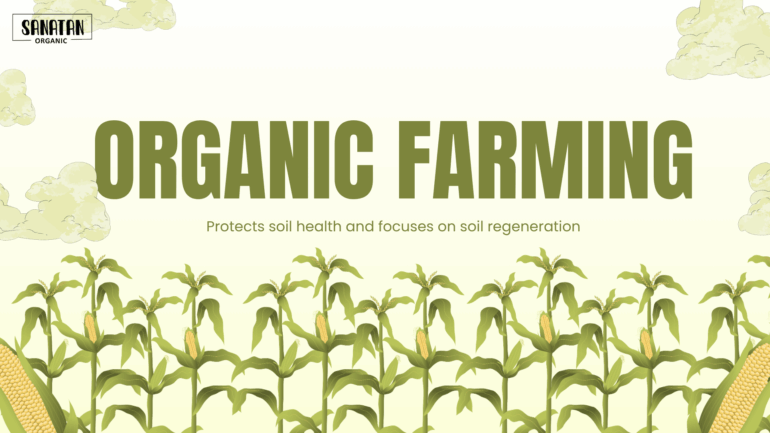
Soil is the foundation of all agriculture — and ultimately, life itself. Unfortunately, conventional farming practices exhaust the soil by relying on chemical fertilizers that degrade its structure and reduce its fertility over time. In contrast, organic farming focuses on soil regeneration. Techniques like composting, green manure, and crop diversification increase organic matter in the soil, improve its ability to hold moisture, and enhance microbial life. Healthy soil doesn’t just grow better crops — it also plays a critical role in capturing carbon dioxide from the atmosphere, making it a powerful tool in the fight against climate change.
2. Reduces Water Pollution and Conserves Resources
Water is one of our most precious natural resources, yet it’s increasingly contaminated by agricultural runoff. In chemical-intensive farming, toxic fertilizers and pesticides seep into waterways, harming aquatic ecosystems, polluting drinking water, and disrupting marine biodiversity. Organic farming, by using natural pest and weed control methods, drastically reduces this risk.
3. Supports Biodiversity and Ecosystem Health
Biodiversity is vital for a stable and healthy ecosystem. Yet, monoculture farming and heavy pesticide use have led to a sharp decline in pollinators, birds, and beneficial insects. Organic farms, on the other hand, are thriving habitats for a wide range of species. Without toxic chemicals, plants, animals, and insects coexist in a more natural, balanced environment. Pollinators like bees and butterflies — essential for food production — are safer in organic spaces. By choosing organic, you’re supporting a food system that protects the intricate web of life our planet depends on.
4. Helps Combat Climate Change
One of the lesser-known benefits of organic agriculture is its role in climate resilience. Industrial farming is responsible for a large portion of greenhouse gas emissions, mainly due to synthetic fertilizers and fossil-fuel-heavy practices. In contrast, organic methods reduce emissions and even help reverse climate change. Practices like reduced tillage, cover cropping, and rotational grazing increase the soil’s capacity to store carbon. Organic farming also requires less energy overall. This makes it a far more sustainable model — one that can help us mitigate the effects of global warming while still feeding the world.
Conclusion
Choosing organic isn’t just about personal health or a trend you follow — it’s a conscious decision to care for the planet. From reducing chemical pollution to restoring soil and supporting biodiversity, organic practices benefit the Earth in profound ways. So this Environment Day, make a lasting choice. Swap conventional for organic. Your body will thank you — and so will the Earth.
