
- Empty cart.
- Continue Shopping
The Power of Sleep for Overall Health: Why Getting Enough Rest is Essential
- Posted on
Shahid Hussain
- 0
- Categories: Uncategorized
In our fast-paced, always-connected world, sleep often takes a backseat to work, socializing, and entertainment. However, what many don’t realize is that sleep plays a pivotal role in maintaining overall health. Sleep is not just a time for rest; it’s an essential biological process that allows our bodies and minds to recharge, heal, and function at their best. In this blog, we’ll explore the powerful benefits of sleep and how it impacts your health.
Why Sleep Matters: The Science Behind It
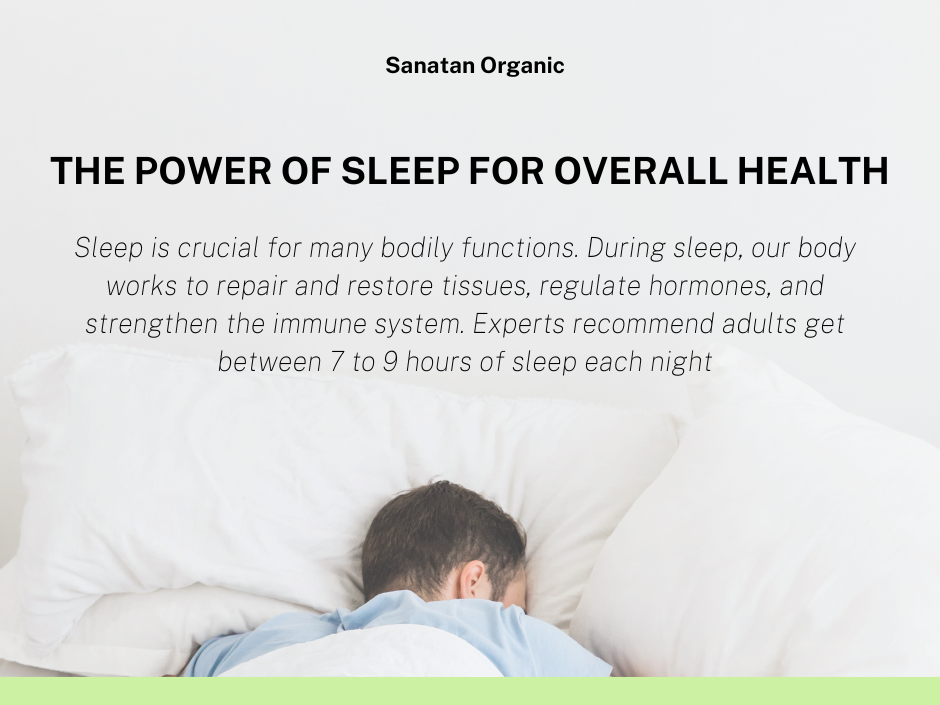
Sleep is crucial for many bodily functions. During sleep, our body works to repair and restore tissues, regulate hormones, and strengthen the immune system. Experts recommend adults get between 7 to 9 hours of sleep each night for optimal health. While we sleep, our brain processes information, consolidates memories, and clears toxins—functions that are critical to cognitive performance and emotional well-being.
Here’s a closer look at how sleep affects your body and mind:
1. Boosts Mental Health
One of the most significant impacts of sleep is on mental health. Chronic sleep deprivation has been linked to an increased risk of developing conditions like anxiety, depression, and mood disorders. When we don’t get enough sleep, our brains have a harder time regulating emotions and stress, leading to irritability and emotional instability.
Sleep is also essential for memory consolidation. It helps you retain and process information from the day, which is why you might notice that you perform better after a restful night. A good night’s sleep can improve focus, concentration, and cognitive performance, leading to a sharper, more productive day.
2. Strengthens the Immune System
Your immune system relies on sleep to function properly. During sleep, the body produces cytokines, which are proteins that help fight off infection and inflammation. A lack of sleep can suppress your immune response, leaving you more susceptible to colds, flu, and other illnesses.
Studies show that people who sleep less than 7 hours are more likely to catch a cold compared to those who get adequate sleep. So, if you want to stay healthy, don’t underestimate the power of a solid night’s rest!
3. Regulates Hormones and Supports Weight Management
Sleep is also essential for regulating hormones that control hunger and metabolism. During sleep, the body releases important hormones like ghrelin (which stimulates hunger) and leptin (which signals fullness). When you don’t get enough sleep, these hormones can become imbalanced, leading to increased appetite, poor food choices, and overeating.
In fact, poor sleep has been associated with weight gain and an increased risk of obesity. Studies show that people who sleep less than 6 hours a night are more likely to gain weight and experience difficulty losing it.
4. Improves Physical Health
Adequate sleep is essential for maintaining heart health. Sleep helps regulate blood pressure, reduces inflammation, and improves circulation. Chronic sleep deprivation has been linked to an increased risk of high blood pressure, heart disease, and stroke. In fact, people who consistently get less than 6 hours of sleep per night are at higher risk for cardiovascular problems.
Sleep also plays a key role in muscle recovery and physical performance. Athletes and active individuals often prioritize sleep to allow their muscles to repair and grow after intense exercise. Sleep is when the body produces growth hormone, which is essential for tissue repair and muscle development.
5. Enhances Mood and Productivity
It’s no secret that lack of sleep can leave you feeling irritable and fatigued. Sleep directly impacts your mood and emotional regulation. A good night’s rest can help reduce stress, improve your outlook on life, and increase your overall happiness.
Getting enough sleep also boosts productivity and creativity. When well-rested, you’re better equipped to solve problems, make decisions, and think outside the box. Sleep is essential for achieving both personal and professional goals, as it sets the foundation for a more energized, focused, and productive day.
6. Supports Skin Health
The saying “beauty sleep” isn’t just a cliché. Sleep plays a significant role in skin health and appearance. While we sleep, the body produces collagen, a protein that helps keep skin smooth and elastic. Inadequate sleep can lead to dry, dull, and aging skin. In fact, studies show that people who get less sleep are more likely to show signs of aging and have increased wrinkles.
Tips for Getting Better Sleep
To harness the power of sleep for better health, here are some tips for improving your sleep quality:
- Stick to a consistent sleep schedule: Go to bed and wake up at the same time each day, even on weekends.
- Create a bedtime routine: Wind down before bed by avoiding electronics, practicing relaxation techniques, or reading a book.
- Optimize your sleep environment: Keep your bedroom dark, quiet, and cool to promote restful sleep.
- Limit caffeine and alcohol: Avoid consuming caffeine or alcohol in the afternoon or evening, as they can interfere with your sleep cycle.
- Exercise regularly: Regular physical activity can help improve sleep, but avoid intense exercise close to bedtime.
Conclusion: The Power of Sleep
Sleep is an essential cornerstone of good health. From improving mental clarity and emotional well-being to boosting your immune system and protecting your heart, sleep impacts nearly every aspect of your life. Prioritize sleep, and you’ll experience the numerous physical, mental, and emotional benefits it brings. Remember, it’s not just about how much sleep you get, but the quality of that sleep. Investing in healthy sleep habits today can lead to a happier, healthier, and more productive tomorrow.
