
- Empty cart.
- Continue Shopping
Is Kumkumadi Oil Suitable for Oily and Acne-Prone Skin?
- Posted on
Shahid Hussain
- 0
- Categories: Uncategorized
When it comes to skincare, one of the most common concerns for people with oily and acne-prone skin is finding the right products that won’t clog pores or make breakouts worse. Oils, in particular, are often avoided for fear of exacerbating acne. However, kumkumadi oil, an ancient Ayurvedic remedy, has been gaining popularity for its ability to address various skin issues. But the big question remains: Is kumkumadi oil suitable for oily and acne-prone skin?
In this blog, we’ll explore whether kumkumadi oil can be beneficial for those with oily or acne-prone skin, how it works, and the best way to use it for optimal results.
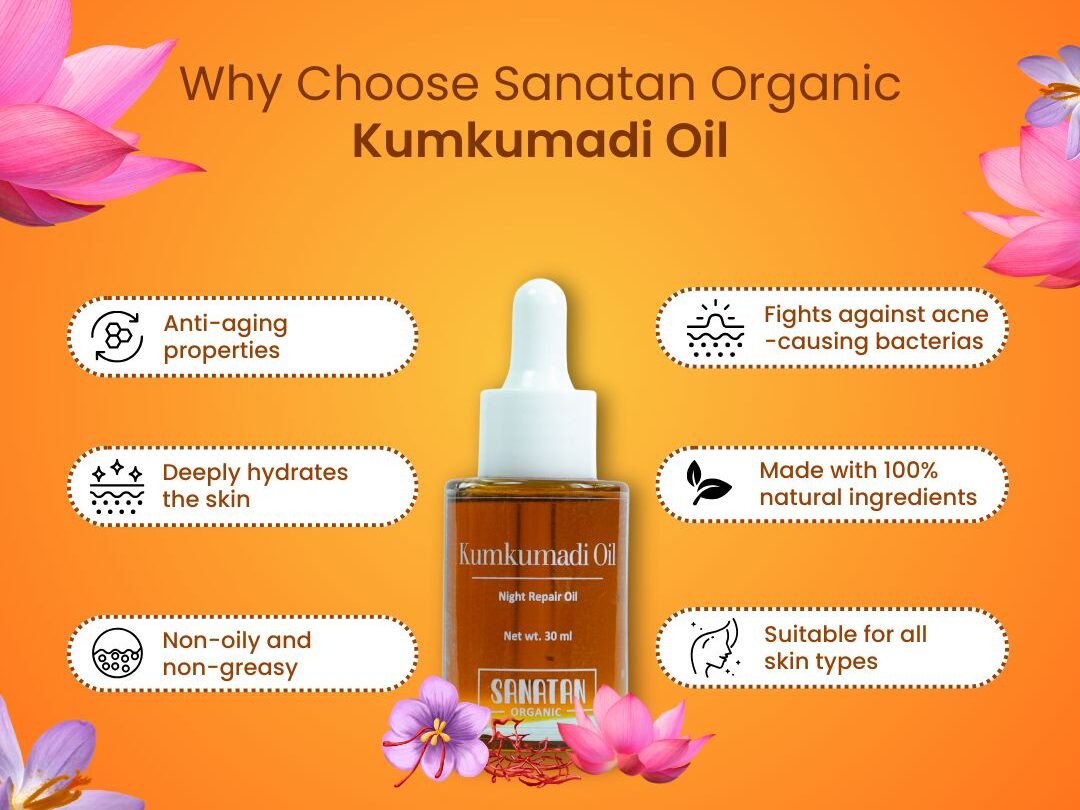
What is Kumkumadi Oil?
Kumkumadi oil is a potent Ayurvedic concoction made from a blend of various natural ingredients, most notably saffron, along with other herbs like sandalwood, turmeric, and sesame oil. Saffron, the star ingredient, is revered for its brightening, anti-inflammatory, and antibacterial properties. Kumkumadi oil has traditionally been used to improve skin complexion, reduce pigmentation, and promote a healthy, radiant glow.
Also Read: 10 Amazing Kumkumadi Oil Benefits: The Secret to Radiant, Youthful Skin
How Kumkumadi Oil Works for Oily and Acne-Prone Skin
1. Balances Oil Production
One of the main concerns for individuals with oily skin is managing excess sebum production. While it may seem counterintuitive to use oil on oily skin, kumkumadi oil can help balance oil levels. The oil helps to regulate the skin’s natural oil production, preventing it from becoming too dry or too oily. This balance is essential for controlling acne and avoiding clogged pores.
2. Anti-Inflammatory Properties
Acne often leads to inflammation and redness. Kumkumadi oil is known for its anti-inflammatory effects, which can help soothe irritated skin and reduce redness. The combination of ingredients like saffron, turmeric, and sandalwood works together to calm inflamed skin and heal acne lesions.
3. Antibacterial and Antifungal Action
The antibacterial properties of kumkumadi oil help to combat the bacteria responsible for acne breakouts. Ingredients like turmeric and saffron are natural antibacterial agents, which help keep your skin clear by preventing the growth of acne-causing bacteria. This makes kumkumadi oil not only a great moisturizer but also an acne-fighting agent.
4. Non-Comedogenic
A key concern for those with acne-prone skin is finding products that won’t clog pores. Kumkumadi oil is generally considered non-comedogenic, meaning it is unlikely to block pores or lead to breakouts. It is light enough to absorb into the skin without leaving a greasy residue, making it suitable for oily skin types.
5. Helps with Scarring and Hyperpigmentation
For individuals with acne-prone skin, the scars and pigmentation left behind after a breakout can be just as frustrating as the acne itself. Kumkumadi oil is known for its ability to lighten dark spots and improve skin tone, thanks to its brightening properties. Regular use can help fade acne scars and reduce the appearance of hyperpigmentation, leading to a more even complexion.
How to Use Kumkumadi Oil for Oily and Acne-Prone Skin
While kumkumadi oil can be incredibly beneficial for oily and acne-prone skin, it’s essential to use it the right way to avoid any unwanted side effects. Here are some tips to incorporate kumkumadi oil into your skincare routine:
1. Patch Test First
Before using kumkumadi oil on your entire face, always perform a patch test. Apply a small amount of the oil to a discrete area, like behind your ear or on your wrist, and wait 24-48 hours to check for any irritation or allergic reactions.
2. Use a Few Drops, Not Too Much
A little goes a long way with kumkumadi oil. Start by applying just a few drops to your face. Gently massage it into your skin, focusing on areas with acne or pigmentation. Avoid overapplying, as this can lead to excess oil on your skin.
3. Incorporate It Into Your Night Routine
Kumkumadi oil works best when applied at night, as it allows the oil to work its magic while your skin is in repair mode during sleep. Cleanse your skin thoroughly before applying the oil, followed by a toner if desired. Use the oil as the final step in your routine, allowing it to absorb overnight.
4. Combine With Your Favorite Moisturizer
For extra hydration, you can mix a few drops of kumkumadi oil with your regular moisturizer. This will help lock in moisture without making your skin feel overly greasy.
Is Kumkumadi Oil Right for Everyone with Acne-Prone Skin?
While kumkumadi oil offers numerous benefits for oily and acne-prone skin, it’s important to note that everyone’s skin is different. Some people may find that the oil works wonders, while others may not see the same results. It’s also important to note that if you have active cystic acne or severe breakouts, it’s best to consult with a dermatologist before trying any new skincare products, including oils.
In conclusion, kumkumadi oil can be beneficial for oily and acne-prone skin when used correctly. Its ability to balance oil production, reduce inflammation, fight bacteria, and lighten scars makes it a great natural option for acne care. However, as with any new skincare product, it’s important to patch test and use it in moderation.
If you’re looking for a natural, holistic remedy for acne and skin pigmentation, kumkumadi oil could be a worthwhile addition to your skincare routine. By gently addressing acne and improving overall skin health, this Ayurvedic oil offers a gentle yet effective way to manage oily and acne-prone skin.
Buy 100% Authentic Kumkumadi Oil
