
- Empty cart.
- Continue Shopping
Rosewater for Acne-Prone Skin: How It Reduces Inflammation and Redness Naturally
- Posted on
Shahid Hussain
- 0
- Categories: Uncategorized
Acne is a common skin concern that affects people of all ages. From clogged pores to inflammation, acne can cause discomfort and frustration. While there are numerous treatments available, one natural remedy that has gained popularity is rosewater. Known for its soothing properties, rosewater offers several benefits for those with acne-prone skin. In this blog, we’ll explore how rosewater for acne-prone skin can help reduce inflammation and redness, leaving you with a clearer and calmer complexion.
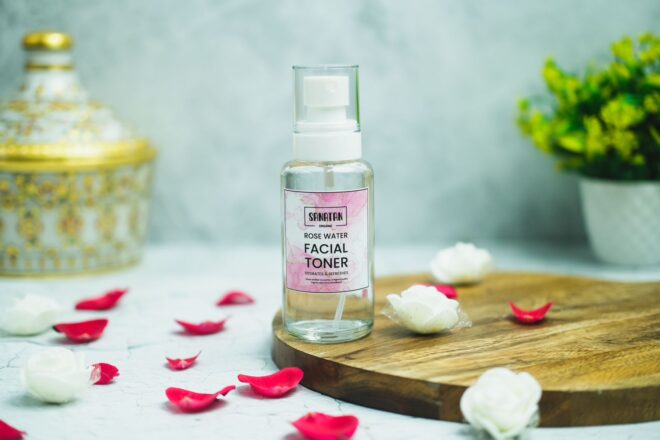
What Is Rosewater and Why Is It Beneficial for Acne-Prone Skin?
Rosewater is a natural byproduct of rose petals and water, often created through the distillation process. It’s known for its calming, anti-inflammatory, and antibacterial properties, making it an excellent addition to any acne treatment routine. Rosewater is packed with antioxidants and essential oils that benefit the skin in multiple ways, especially for those struggling with acne.
1. Reduces Inflammation and Soothes the Skin
One of the most significant benefits of rosewater for acne-prone skin is its ability to reduce inflammation. Acne often causes swelling and redness, especially around inflamed pimples. Rosewater contains anti-inflammatory compounds like phenylethanol and glycosides, which help calm irritated skin and reduce swelling. Applying rosewater directly to the affected area can instantly soothe inflammation, providing relief for those who experience painful cystic acne.
How to Use It:
Spray rosewater onto a cotton pad or directly onto your face as a refreshing toner after cleansing. It will not only help reduce inflammation but also hydrate and refresh the skin.
2. Balances Oil Production
Excess oil production is one of the primary causes of acne, especially for those with combination or oily skin. Rosewater helps regulate the production of oil by acting as a natural astringent. It gently tightens the skin and controls excess sebum, reducing the chances of clogged pores and breakouts. Regular use of rosewater can help balance the skin’s natural oils without drying it out, making it ideal for acne-prone skin.
How to Use It:
To maintain oil balance, use rosewater as a toner twice daily. After cleansing, apply it using a cotton ball to areas where oil tends to accumulate, such as the forehead, nose, and chin.
Also Read – 5 Easy ways to use rosewater
3. Prevents Bacterial Growth
Acne is often triggered by bacteria that thrive on the skin’s surface. Rosewater has natural antibacterial properties that help eliminate harmful bacteria, preventing new breakouts. By regularly using rosewater, you can maintain a cleaner and healthier complexion, minimizing the risk of acne flare-ups caused by bacteria.
How to Use It:
Add a few drops of rosewater to your DIY face mask or blend it with ingredients like honey and aloe vera for an antibacterial skin treatment. Apply this mixture to acne-prone areas to help fight bacteria and reduce the severity of breakouts.
4. Helps Fade Acne Scars and Reduces Redness
Post-inflammatory hyperpigmentation (PIH), or acne scars, can be a lingering reminder of previous breakouts. Rosewater contains antioxidants that promote skin healing and regeneration. By improving circulation and encouraging skin repair, rosewater helps fade dark spots and reduces redness associated with active acne. Its cooling effect also helps calm the skin, reducing the appearance of red, inflamed acne.
How to Use It:
Apply rosewater directly to acne scars or use it in combination with other skin-brightening ingredients like lemon juice or turmeric. This can speed up the healing process and improve skin tone over time.
5. Hydrates Without Clogging Pores
Dehydrated skin can worsen acne symptoms, as the skin overproduces oil to compensate for lack of moisture. Rosewater hydrates the skin without clogging pores, offering an ideal solution for acne-prone skin that needs moisture. Unlike heavy creams that may lead to breakouts, rosewater provides lightweight hydration, keeping the skin nourished while preventing acne flare-ups.
How to Use It:
Mist rosewater onto your face throughout the day or use it as part of your nightly skincare routine to keep your skin hydrated and healthy.
Final Thoughts on Rosewater for Acne-Prone Skin
Rosewater is a powerful natural remedy for those with acne-prone skin. With its ability to reduce inflammation, balance oil production, prevent bacterial growth, and help fade acne scars, rosewater can play a crucial role in your acne-fighting regimen. Whether you use it as a toner, face mist, or part of a DIY mask, the soothing benefits of rosewater can help calm your complexion and promote clearer, healthier skin. If you’re looking for a natural way to combat acne and reduce redness, rosewater may be just what you need.
